
Confused About Fat? How Functional Nutrition Looks at Healthy Fats and Cholesterol
In This Blog, You'll Learn:
Why Fat Became So Confusing
Your Body Actually Needs Fat
Not All Dietary Fats Affect the Body the Same Way
Cholesterol Is More Than One Number
Don’t Overlook Sugar and Refined Carbohydrates
Look at the Whole Meal, Not Just the Fat
What Functional Nutrition Adds to the Conversation
Client Experience
Healthy Habits High Returns® Insight
How Sho Richek Can Help
In Summary
Looking for More Insights?
Next Week
Helpful Tools
Why Fat Became So Confusing
For years, many of us were taught that eating fat made us fat and that low-fat foods were automatically healthier. Then the conversation changed. We started hearing more about olive oil, avocados, nuts, seeds, omega-3s, saturated fat, cholesterol, LDL, HDL, triglycerides, and even ketogenic diets.
No wonder people are confused. When I talk with someone about nutrition, I do not want them simply replacing one food rule with another. I want them to understand what they are eating, how their body may be responding, what their health information is telling them, and what realistic changes might support them.
Fat is a great example of why functional nutrition looks at the bigger picture rather than labeling one nutrient as either “good” or “bad.”
Your Body Actually Needs Fat
Fat is not something the body is trying to eliminate. It has important jobs. Dietary fats provide energy, support cell membranes, help the body absorb fat-soluble vitamins such as A, D, E, and K, and play a role in hormone and brain function.
So instead of simply asking, “Should I eat fat?” I think a better set of questions is: What kinds of fats am I eating? Where are they coming from? How much am I eating? And what does the rest of my diet look like?
That shift takes us away from fear and toward understanding, which is where sustainable choices usually begin
Not All Dietary Fats Affect the Body the Same Way
The type and source of fat matter. Foods such as olive oil, avocados, nuts, seeds, and many types of fish provide unsaturated fats and can be part of a heart-supportive eating pattern.
Saturated fats are found in foods including butter, higher-fat dairy, fatty meats, coconut oil, and many processed foods. That does not mean every food containing saturated fat needs to disappear from your diet. It does mean the amount, frequency, overall eating pattern, individual health history, and what you are eating in its place all matter.
For example, there is an important difference between replacing a food with vegetables, fiber-rich carbohydrates, nuts, seeds, or other whole foods and replacing it with a highly processed “low-fat” product filled with refined carbohydrates and added sugar.
Nutrition rarely works well when we isolate one nutrient and ignore everything surrounding it.
Cholesterol is More Than One Number
Many people hear the word cholesterol and immediately think “bad,” but cholesterol itself has important functions in the body. It is involved in cell structure and the production of certain hormones and other compounds.
And here is something many people do not realize: your brain is especially rich in cholesterol. Although the brain represents only about 2% of body weight, it contains roughly 20% of the body’s cholesterol. Much of that cholesterol is used in myelin and in the membranes of brain cells, where it supports normal structure and function.
That does not mean having high cholesterol in your bloodstream is harmless. Blood cholesterol and brain cholesterol are not the same thing, and the brain largely produces its own cholesterol. Elevated LDL cholesterol can still increase cardiovascular risk and should be evaluated with your healthcare provider.
For years, people were also encouraged to focus heavily on the cholesterol contained in food. Today, we understand that for many people, dietary cholesterol itself is not the main nutritional issue. The overall eating pattern, including saturated fat, added sugars, refined carbohydrates, fiber, and the quality of the foods someone eats regularly, deserves just as much attention.
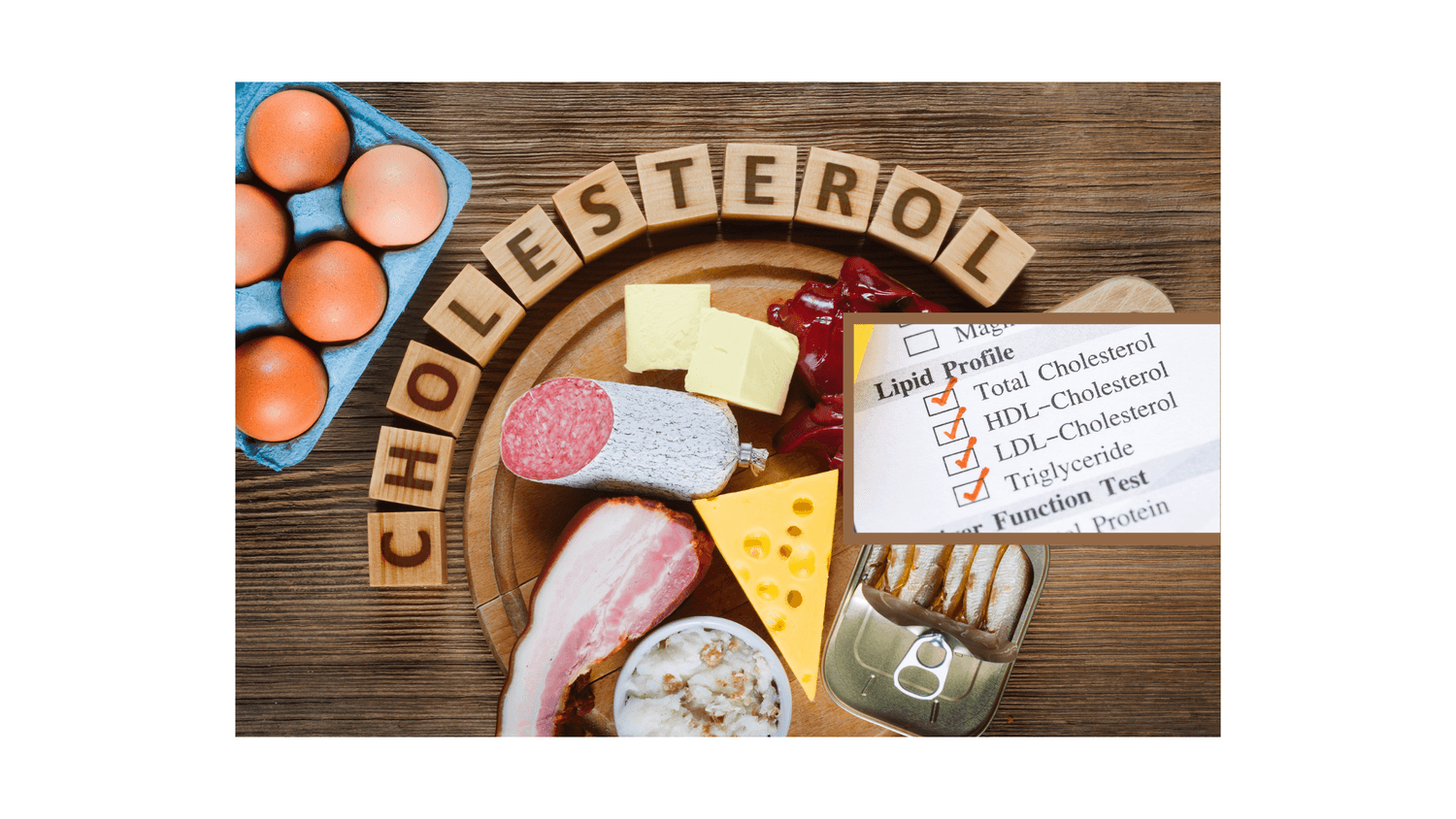
When your healthcare provider orders bloodwork, you may see measurements that include total cholesterol, LDL cholesterol, HDL cholesterol, and triglycerides. Those numbers provide useful information, but they are most helpful when considered alongside your health history, medications, family history, blood pressure, blood sugar, and other factors your medical provider may be evaluating.
This is why I encourage people to know their numbers without becoming afraid of them. A laboratory result gives us information. What matters next is understanding what that information means for you and what realistic choices may be helpful.
Be Mindful of Sugar and Refined Carbohydrates
This is one of the areas that surprises people. Someone may be carefully avoiding eggs or other foods containing cholesterol while consuming a significant amount of added sugar, sweetened drinks, refined grains, desserts, or highly processed snack foods.
For many people, that may be the more important pattern to examine. Excess added sugar and refined carbohydrates can contribute to higher triglycerides, blood sugar and insulin concerns, weight gain, and other metabolic changes that may influence cardiovascular health.
This does not mean sugar is the single cause of high cholesterol, and it does not mean everyone responds to food in exactly the same way. It does mean that focusing only on cholesterol-containing foods can distract us from the larger nutritional picture.
This is one of the reasons I keep coming back to the same principle: look at the pattern, not one isolated food.
Look at the Whole Meal, Not Just the Fat
If someone wants to support healthier cholesterol and overall cardiovascular health, I usually want to know much more than whether they eat butter or olive oil. I want to know what breakfast looks like, how much fiber they are getting, whether vegetables, fruits, beans, oats, nuts, seeds, and other whole foods are part of their regular meals, and how frequently highly processed foods, refined carbohydrates, and added sugars are showing up.
I am also interested in movement, sleep, stress, meal timing, cravings, blood sugar patterns, and the habits that influence what someone eats on an ordinary Tuesday when life gets busy.
That is the functional nutrition perspective. We look for patterns and connections rather than assuming one food is responsible for the entire picture.
One particularly useful area to consider is soluble fiber, which is found in foods such as oats, beans, lentils, apples, citrus, and certain seeds. Rather than focusing only on what needs to be taken away, I often like to ask what supportive foods could be added. Sometimes that is a much more realistic place to begin.
What Functional Nutrition Adds to the Conversation
A medical provider may identify elevated cholesterol, triglycerides, blood pressure, blood sugar, or another risk factor. That information is important, and medical recommendations should be taken seriously.
My role is helping clients get to root causes, understand what’s getting in the way and supporting them in changing it. That might mean looking at meal patterns, food choices, fiber intake, added sugar, stress, sleep, movement, weight changes, cravings, family history, or other information that helps us see a more complete picture. It may also mean helping someone organize information, notice patterns, or prepare useful questions for an upcoming medical appointment.
I work alongside a client’s existing medical team rather than replacing it. If medication, additional testing, or another healthcare professional is needed, that belongs in the medical conversation.
Where functional nutrition can be especially helpful is in making the space between appointments useful. Instead of leaving with a number and thinking, “I guess I need to eat better,” we can begin turning information into specific, realistic choices that fit everyday life.
What Clients Say
One of the things I have seen repeatedly in my work is that people often begin by focusing on a single concern, such as weight, energy, or a particular health marker. As we look more closely, we may discover several areas that are connected.
Wilma’s experience is one example of why I value a holistic approach.
As Wilma shared:
“I’m full of energy. Nine months ago, I had none. I get so much more things accomplished and I’m happier. And I weigh less and I have energy and I can make plans with my husband and friends to do things. In a sense I’m a whole new person and I’m really thankful for that.”
Her progress involved much more than focusing on one food or one number. As she made changes to her nutrition and lifestyle, she experienced meaningful changes in her energy, activity, weight, and overall quality of life.
That is why I do not believe the goal is perfection. The goal is to understand enough about your own body, habits, and patterns to make choices that support where you want to go.
Healthy Habits High Returns® Insight
This same issue shows up in workplace wellness. An employee may complete a biometric screening and learn that their cholesterol, blood pressure, blood sugar, or triglycerides deserve attention. That screening has done something valuable because it has created awareness. But awareness is only the beginning.
That employee still has to go home, open the refrigerator, order lunch, navigate stress, sleep, family responsibilities, habits, cravings, conflicting nutrition advice, and everything else that influences daily choices.
Healthy Habits High Returns® adds a human-centered layer of functional nutrition and lifestyle support alongside existing health plans, medical care, screenings, EAPs, and wellness resources.
A screening is a snapshot. Ongoing support helps employees figure out what to do with the information.
I love helping to create workplaces filled with happier, healthier, more resilient people, from coworkers and managers to leadership and the C-suite. When people feel better, have more energy, and receive support in making healthier lifestyle choices, they have a better opportunity to show up more fully for themselves, their families, their coworkers, and their work.
Wellness Isn’t a Perk, It’s a Performance Strategy®
How Sho Richek Functional Nutrition and Lifestyle Counseling Can Help
My role is helping clients get to root causes, understand what's getting in the way and supporting them in changing it.
As a Functional Nutrition and Lifestyle Counselor, I look at how different pieces of someone's health may connect rather than assuming one concern has one simple explanation. With cardiovascular health, that may include nutrition and meal patterns, fiber intake, types of dietary fat, digestion, movement, sleep, stress, blood-sugar patterns, medications, supplements, family history and the medical information you already have.
For someone searching for a functional nutritionist, Nutritionist Charleston SC, or nutrition Charleston, this whole-person perspective can be especially useful when several recommendations are beginning to feel disconnected or overwhelming.
After reviewing the information, I organize the most important patterns and priorities into a personalized, one-page Functional Nutrition Blueprint. It may include nutrition and meal-pattern observations, lifestyle considerations, supportive habits, questions for your medical providers, areas to track and a few initial steps. Instead of trying to change everything at once, we agree on where to begin and build from there.
As a Healthcare Advocate, I can also help you organize what you've learned, recognize patterns and prepare questions for your physician or other healthcare professionals. If you're already working with a cardiologist, primary-care physician, registered dietitian or another specialist, my work is designed to support and complement that care rather than replace it.
In Summary
Fat is not simply “good” or “bad,” and cholesterol is not a subject that can be reduced to one food or one laboratory number.
Your body needs fat, different types of fat can affect health differently, and dietary cholesterol is only one part of the picture.
For many people, added sugar, refined carbohydrates, saturated fat, fiber intake, food quality, movement, sleep, stress, blood sugar, and family history may be equally important or more important areas to examine.
Know your numbers and talk with your healthcare provider about what they mean for you. Then look at the everyday choices surrounding those numbers and decide where one supportive change might fit.
When we support the body from the inside out, the results have a better chance of lasting.
What's Next?
Your Nervous System Is Always Listening: How Functional Nutrition Supports the Brain and Nervous System
Next week, we’ll continue our body-systems series by looking at the nervous system, the brain, stress, nutrition, energy, and why supporting your nervous system can influence far more than how stressed you feel.
Ready to Take the Next Step?
If this resonates with you, I’d love to support you.
👉 Schedule a complimentary consultation here.
Let’s explore what sustainable support could look like for you.
Ready to explore how Healthy Habits High Returns® can support your team? Schedule an exploratory call.
Wellness isn’t a perk—it’s a performance strategy®
Twice a Month Newsletter
Would you like to stay in touch and receive supportive information as well as a new recipe?
Visit my website and sign up in the middle of the page. You'll also receive an audio of my 3-Minute Trigger Tamer.
Looking for More Insights?
You may also enjoy:

Welcome!
Thank you for visiting! I'm Shoshanna Richek, a certified Functional Nutritionist, and I'd love to be your guide on the journey to food freedom.
Ready to learn about emotional eating and see how I can help you? Just click here!


Get Expert Advice on Holistic Healing
Sho Richek Functional Nutrition and Lifestyle Counselor copyright 2023-26 All Rights Reserved.