
Tired, Craving Sugar, or Feeling Off? How to Support Your Endocrine System
In This Blog, You'll Learn:
Feeling Off? Start With the Bigger Picture
What Your Endocrine System Actually Does
Blood Sugar Is a Hormone Conversation
Stress and Sleep Affect the Hormonal Picture
Your Thyroid Helps Set the Pace
What to Put on Your Plate
Cravings Are Information, Not a Character Flaw
When Symptoms Deserve Medical Attention
Client Experience
Healthy Habits High Returns® Insight
How Sho Richek Can Help
In Summary
Looking for More Insights?
Next Week
Helpful Tools
Tired, Craving Sugar, or Feeling Off?
Have you ever had a stretch of time when you just didn't feel like yourself? Maybe your energy was unpredictable, you were craving sugar more often, your sleep seemed different, your weight was changing, or you simply had that vague feeling that something was "off."
It is tempting to blame one thing. We may decide it is age, stress, lack of willpower, menopause, our thyroid, or something we ate. Sometimes one of those things is involved, but our bodies are rarely that simple. This is where the endocrine system becomes interesting.
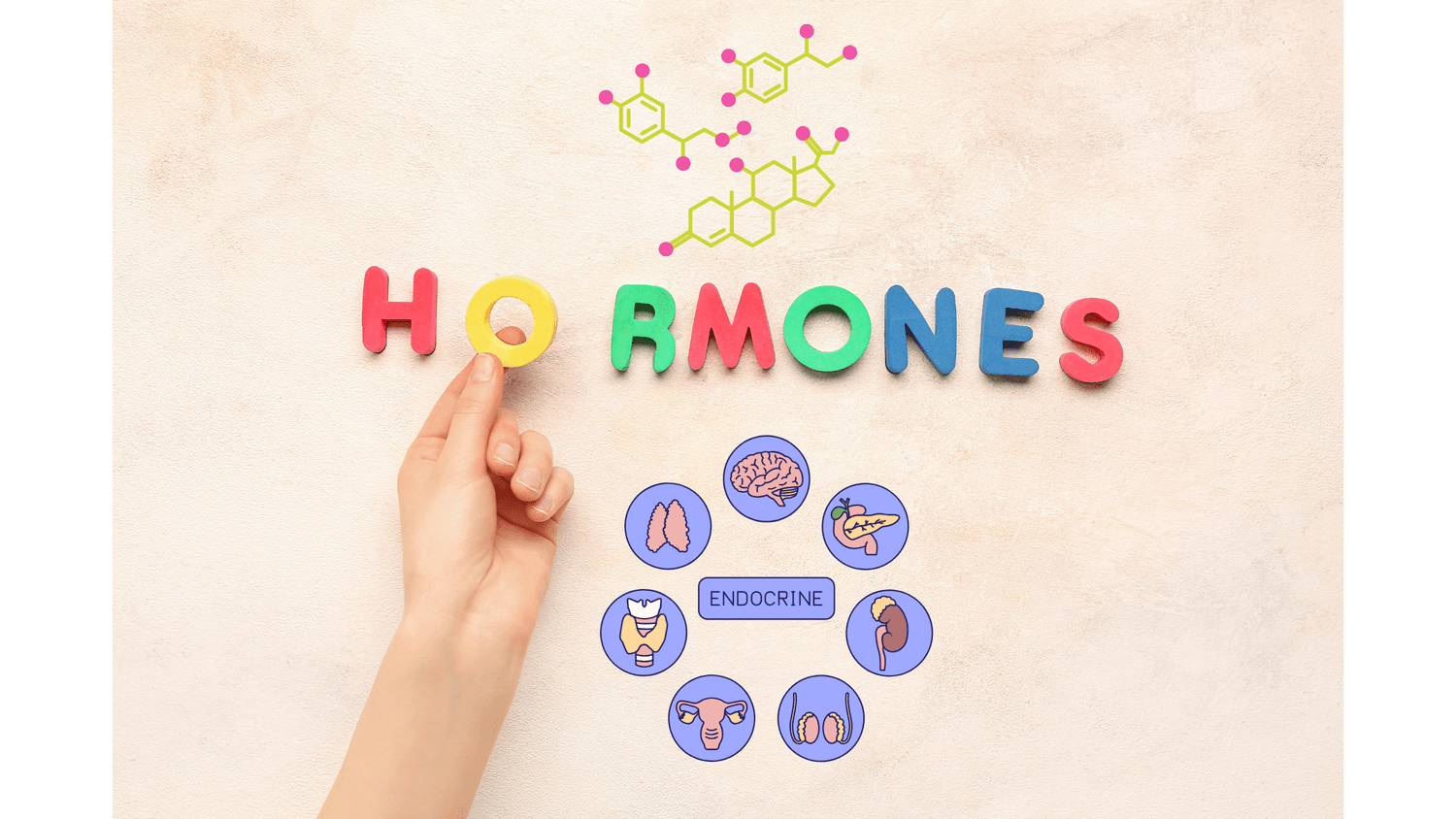
Hormones are chemical messengers. They travel through the bloodstream and help coordinate processes including metabolism, growth, reproduction, mood, and the way the body uses energy. The endocrine system includes glands and organs such as the pituitary, thyroid, adrenal glands, pancreas, ovaries, and testes.
That does not mean every bout of fatigue or every sugar craving is a "hormone problem." It means hormones are part of a much larger communication system, and nutrition, sleep, stress, medications, aging, health conditions, and lifestyle can all become relevant pieces of the picture.
Feeling Off? Start With the Bigger Picture
Fatigue is a good example of why I like looking at the whole person. If you're exhausted, perhaps you aren't sleeping well. Maybe you're skipping meals and then crashing later. Stress could be affecting your appetite and energy. A medication might be relevant. There may be a nutritional deficiency, an endocrine condition, or something else that deserves medical evaluation.
The same is true of cravings, weight changes, mood changes, or changes in sleep. A symptom gives us information, but it doesn't automatically give us the answer.
Functional nutrition encourages us to become curious before making assumptions. What changed? When did it start? Does it happen at a certain time of day? What are you eating before it happens? How are you sleeping? Has your stress changed? Are there other symptoms appearing at the same time?
These are not diagnostic questions. They are pattern-finding questions, and patterns can help us decide what deserves a closer look.
What Your Endocrine System Actually Does
You can think of hormones as tiny messages constantly traveling around your body. The pancreas releases insulin to help regulate blood glucose. The adrenal glands produce cortisol, which participates in the stress response and also has roles in metabolism, inflammation, blood pressure, and blood sugar. The thyroid produces hormones involved in metabolism, energy use, body temperature, and many other functions. Reproductive hormones influence sexual development and reproduction while also affecting tissues throughout the body.
What I find most important is that these hormones don't operate as completely separate departments. The endocrine system is constantly receiving and responding to signals.
Your original hormone-health material makes this same point by presenting hormones as an interconnected hierarchy rather than isolated substances. It also places blood-sugar regulation, insulin, adrenal hormones, thyroid hormones, and sex hormones within the larger hormonal picture.
That interconnectedness is why looking only at one symptom can sometimes be misleading.
Blood Sugar Is a Hormone Conversation
When people hear the word "hormones," they often immediately think about estrogen, progesterone, testosterone, or thyroid hormones. Insulin is a hormone too.
After we eat carbohydrates, they are broken down into glucose, which enters the bloodstream. The pancreas responds by releasing insulin, helping glucose move into cells where it can be used for energy or stored for later. Insulin production and release are tightly regulated in a healthy body.
This gives us a practical connection between food and endocrine health.
Your hormone-health material emphasizes combining protein, healthy fat, and fiber as a useful strategy around blood sugar. Carbohydrates eaten with foods containing protein, fat, or fiber generally slow down blood glucose versus carbohydrates eaten by themselves. That doesn't make carbohydrates bad. Our bodies use glucose for energy. It simply means the company carbohydrates keep can matter.
A piece of fruit with nuts may affect you differently than juice by itself. A sweet potato with salmon and vegetables is a different eating experience from a sweet potato eaten alone. A balanced breakfast containing protein, fiber, and healthy fat may also feel different from starting your morning with a sweet pastry and coffee.
The goal isn't perfection. It is learning what helps your body feel nourished and steady.
Stress and Sleep Affect the Hormonal Picture
One of the reasons hormones can feel so complicated is that the endocrine system responds to what is happening in our lives, not just what is happening on our plates.
Cortisol is often called the "stress hormone," although that description oversimplifies its job. Cortisol is necessary. Among other things, it helps regulate blood sugar, metabolism, inflammation, blood pressure, and the body's response to stress.
Sleep is closely connected to this larger system as well. Adequate sleep helps support hormone regulation involving insulin, cortisol, and ghrelin, a hormone associated with hunger. Chronic inadequate sleep can influence appetite and blood-sugar regulation as well as how well we function mentally and physically. This may help explain an experience many people know well. After a terrible night's sleep, suddenly the balanced breakfast you planned doesn't sound nearly as appealing as coffee and something sweet. That isn't necessarily evidence that you lack discipline. Your body is responding to a different set of circumstances.
This is why I frequently come back to the idea that capacity matters. Sometimes the behavior we are judging is actually giving us information about what else is going on.
Your Thyroid Helps Set the Pace
The thyroid is a small gland in the neck, but the hormones it produces influence metabolism and are associated with energy, body temperature, weight, skin, hair, and other processes.
Nutrition is relevant here, but this is also an area where more is definitely not always better.
The body needs iodine to make thyroid hormones. Food sources can include fish and other seafood, eggs, dairy products, and iodized salt. Selenium is another nutrient needed for normal thyroid hormone production and function, and sources include seafood, meat, poultry, eggs, dairy products, grains, beans, lentils, and nuts.
That does not mean everyone with low energy should start taking iodine or selenium supplements. Too much can create problems, and thyroid symptoms can have many causes. If thyroid function is a concern, testing and medical guidance are much more useful than guessing.
What to Put on Your Plate
Instead of searching for a list of foods that "balance hormones," I prefer to build meals that give the body a variety of nutrients while supporting steadier energy and blood sugar.
A simple place to begin is a plate that combines quality protein, fiber-rich carbohydrates, vegetables or fruit, and supportive fats. For example, you might have salmon with roasted vegetables and sweet potato; eggs with vegetables, berries, and avocado; or lentils with greens, vegetables, and olive oil.
Your source material highlights foods including flax, sweet potatoes, green beans, carrots, cruciferous vegetables, berries, pomegranate, fish, seeds, and other nutrient-rich whole foods as part of the broader hormone-support conversation. It also emphasizes nutrients such as magnesium, zinc, omega-3 fats, vitamin D, B vitamins, vitamin C, and selenium when discussing thyroid and adrenal health.
You do not need to fit every nutrient into every meal. What matters more is the pattern you create over time. Variety gives your body access to different nutrients. Protein helps with satiety and provides amino acids. Fiber-rich plant foods bring vitamins, minerals, and plant compounds. Healthy fats contribute essential fatty acids and help with the absorption of fat-soluble nutrients.
Simple food can do a lot of work.
Cravings Are Information, Not a Character Flaw
Sugar cravings can be frustrating, especially when we have decided they are proof that we lack self-control. I look at them differently.
Sometimes a craving may simply mean you enjoy something sweet. Other times, it may be useful to look at what happened earlier. Did you skip breakfast? Was lunch mostly refined carbohydrates? Did you sleep poorly? Are you unusually stressed? Have you gone too long without eating?
Sleep, blood glucose, appetite-related hormones, stress, emotions, habits, and even environmental cues may all influence what we want to eat. That doesn't mean you need to analyze every cookie. It means that if the same pattern keeps happening, curiosity can teach you more than criticism.
Instead of asking, "Why don't I have more willpower?" try asking, "What was happening before I wanted this?" That question may lead somewhere much more useful.
When Symptoms Deserve Medical Attention
Hormones are powerful, and genuine endocrine disorders need appropriate medical care. Persistent fatigue, unexplained or significant weight changes, menstrual changes, persistent hot flashes, heart palpitations, major changes in thirst or urination, ongoing sleep problems, or other concerning symptoms are worth discussing with a healthcare provider. Hormone levels can be evaluated through appropriate testing.
An endocrinologist may also become part of the healthcare team when a diagnosed or suspected endocrine disorder requires specialist evaluation. I think this is important because functional nutrition helps clients gather useful information, recognize patterns, and know when conventional medical evaluation belongs in the picture.
What Clients Say
Wilma's story is one of my favorite examples of why persistent fatigue deserves curiosity rather than simply pushing harder.
When she first began working with me, she described herself this way: “About nine months ago I was exhausted all the time. Tired. I had no energy.” She wanted enough energy to enjoy her life, get things done, and be more active. Over time, she began paying more attention to her nutrition, her individual dietary needs, and gradually increasing her activity.
Later, she described herself as having much more energy and being able to exercise, travel, hike, swim, and make plans with her husband and friends.Her experience illustrates something more important for this article: "I'm tired" is the beginning of a conversation, not necessarily the explanation. I'm sure her hormones were part of the equation, and she was able to balance her hormones with her nutrition and lifestyle.
Healthy Habits High Returns® Insight
The same thing happens at work. An employee who is struggling with energy, cravings, poor sleep, or stress may look distracted or unmotivated from the outside, while the real picture is much more complicated.
Organizations aren't responsible for diagnosing hormone problems, nor should they try. What they can do is create a culture where people have access to useful health education, practical support, appropriate benefits, and someone who can help them determine where to turn next.
Healthy Habits High Returns® approaches employee wellbeing from that whole-person perspective. Support may involve helping an employee better use an existing medical, wellness, EAP, or benefit resource, or providing behavior-based nutrition and lifestyle support when that is the more appropriate fit.
When we understand the people behind the performance, we have a better opportunity to support healthier behavior and stronger employee wellbeing outcomes.
How Sho Richek Functional Nutrition and Lifestyle Counseling Can Help
My role is helping clients get to root causes, understand what's getting in the way and supporting them in changing it.
If someone comes to me saying, "I'm exhausted," "I'm craving sugar all afternoon," or "I just don't feel like myself," I don't assume I already know the answer. We begin by looking at the bigger picture. That may include nutrition and meal patterns, sleep, stress, movement, digestion, medications, supplements, symptoms, medical history, and what else may have changed.
After reviewing the information, I organize the most important areas into a personalized, one-page Functional Nutrition Blueprint. It can include nutrition and meal-pattern observations, lifestyle considerations, supportive habits, areas to track, questions for medical providers, and a few prioritized changes. We agree on where to begin rather than trying to address everything at once.
As a Healthcare Advocate, I can also help you organize what you're noticing and prepare useful questions for your physician or endocrinologist. If you are already working with several healthcare professionals, I can help you connect the nutrition and lifestyle pieces while working alongside your existing medical team.
For organizations, I provide that same human-centered support through Healthy Habits High Returns®, helping employees better understand their health patterns and take realistic next steps while complementing the services an organization already provides.
In Summary
Your endocrine system is a remarkable communication network. Hormones help regulate metabolism, blood sugar, stress responses, reproduction, mood, appetite, and many other processes that influence how we feel every day.
That doesn't mean fatigue, cravings, or a bad night's sleep automatically signal a hormonal disorder. It means those experiences may be useful information. If you're consistently feeling "off," become curious about the pattern. Look at your meals, sleep, stress, movement, medications, and other symptoms.
Build meals with protein, fiber-rich carbohydrates, vegetables, and healthy fats. Give sleep the importance it deserves, and bring persistent or concerning symptoms to your medical provider rather than trying to diagnose yourself.
Sometimes the smallest shifts create the biggest momentum, and sometimes the most important shift is simply realizing there may be more to the story.
What's Next?
Getting Sick More Often Than You’d Like? Learn how to Support Your Immune System
Next week we'll explore how nutrition, sleep, stress, gut health, movement, and everyday habits help support the immune system, and why "boosting immunity" isn't quite as simple as taking a vitamin.
Ready to Take the Next Step?
If this resonates with you, I’d love to support you.
👉 Schedule a complimentary consultation here.
Let’s explore what sustainable support could look like for you.
Ready to explore how Healthy Habits High Returns® can support your team? Schedule an exploratory call.
Wellness isn’t a perk—it’s a performance strategy®
Twice a Month Newsletter
Would you like to stay in touch and receive supportive information as well as a new recipe?
Visit my website and sign up in the middle of the page. You'll also receive an audio of my 3-Minute Trigger Tamer.
Looking for More Insights?

Welcome!
Thank you for visiting! I'm Shoshanna Richek, a certified Functional Nutritionist, and I'd love to be your guide on the journey to food freedom.
Ready to learn about emotional eating and see how I can help you? Just click here!


Get Expert Advice on Holistic Healing
Sho Richek Functional Nutrition and Lifestyle Counselor copyright 2023-26 All Rights Reserved.