
How Functional Nutrition Supports Kidney and Urinary Health
In This Blog, You'll Learn:
Your Kidneys Do Much More Than Make Urine
Your Kidneys Are Filtering Your Blood All Day
Your Kidneys Help Balance Water, Minerals, and Acid
Your Kidneys and Blood Pressure Communicate
Blood Sugar Matters to Your Kidneys
Your Kidneys Help Support Energy and Bone Health
Hydration Is Important, but More Is Not Always Better
Be Mindful of Sodium and the Overall Eating Pattern
Look for Root Causes and Know Your Numbers
Client Experience
Healthy Habits High Returns® Insight
How Shoshanna Richek Can Help
In Summary
Looking for More Insights?
Next Week
Your Kidneys Do Much More Than Make Urine
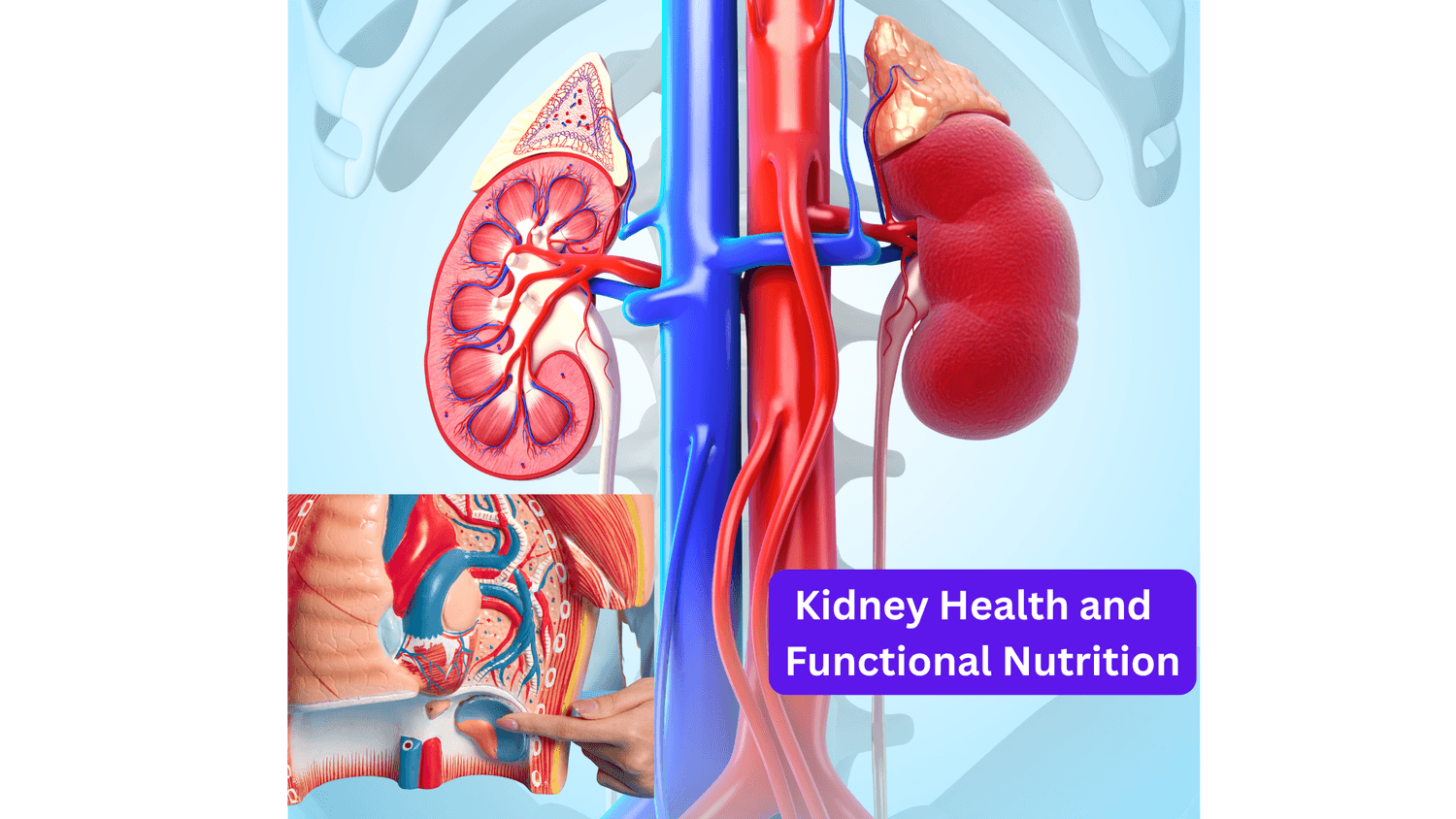
When most people think about their kidneys, they probably think about water, urine, or maybe kidney stones. But your kidneys are doing much more than that every single day. They are filtering your blood, removing waste, helping balance water and minerals, regulating acid, participating in blood-pressure control, helping your body make red blood cells, and supporting bone health.
Healthy kidneys even produce hormones involved in several of those processes. That is a lot of responsibility for two organs about the size of your fists. And it is another example of something I have emphasized throughout this body-systems series: the systems of the body do not work independently.
Your kidneys connect with your cardiovascular system, endocrine system, bones, blood, metabolism, nervous system, and urinary tract. Once we understand those connections, everyday choices begin to make much more sense.
Your Kidneys Are Filtering Your Blood All Day
Here is one of my favorite kidney facts. Healthy kidneys filter about half a cup of blood every minute.
Each kidney contains around one million tiny filtering units called nephrons. Inside each nephron is an even smaller filter called a glomerulus. It allows water and small molecules to pass through while keeping blood cells and most proteins where they belong, in the bloodstream. Then the tubules go to work. They return much of the water, minerals, and nutrients your body still needs while allowing waste and excess substances to move toward the urine.
So your kidneys are not simply dumping fluid out of the body. They are making constant adjustments based on what is happening inside you.
What needs to stay?
What needs to go?
How much water should be returned to circulation?
Which minerals should be conserved?
Which waste products need to leave?
I think this is fascinating because it changes kidney health from simply “drink more water” into a much bigger conversation about regulation.
Your Kidneys Help Balance Water, Minerals, and Acid
Your blood needs a fairly precise environment for your cells, nerves, muscles, and organs to function well. Your kidneys help maintain that environment by regulating water and minerals such as sodium, potassium, calcium, and phosphorus. They also help remove acids created as your cells carry out normal metabolism. Without that balance, nerves, muscles, and other tissues may not work as they should.
This is why conversations about electrolytes can sometimes become too simple. We hear that everyone needs more electrolytes, more sodium, or a special hydration drink. But the body is more sophisticated than that. Healthy kidneys are constantly deciding how much water and how many minerals to retain or release based on what is happening inside the body. And individual needs change. Activity levels, climate, medications, health conditions, age ... they all matter.
We are all unique and all deserve to be seen with our entire history and current conditions.
Your Kidneys and Blood Pressure Communicate
Your kidneys and blood pressure are constantly influencing each other. Your kidneys help regulate blood pressure, but they also depend on healthy blood vessels to do their filtering work.
When blood pressure stays high over time, those tiny vessels can become damaged. That can make it harder for the kidneys to filter properly. And there is another side to the relationship. When kidney function declines, the kidneys may become less effective at removing sodium and excess fluid. That can contribute to even higher blood pressure.
So we can end up with a cycle where high blood pressure affects the kidneys, and declining kidney function makes blood pressure harder to control. This is why I do not look at blood pressure as only a cardiovascular number. It gives us information about the larger health picture.
Nutrition, sodium intake, movement, sleep, stress, body composition, medications, blood sugar, cardiovascular health, and kidney function can all become part of the conversation.
That is what connecting the dots looks like.
Blood Sugar Matters to Your Kidneys
Blood sugar is another important connection. Remember those tiny filters inside the kidneys? Persistently elevated blood glucose can damage them over time. Diabetes is the leading cause of kidney disease, and high blood pressure is another major cause. About one in three adults with diabetes has kidney disease.
That gives us a much bigger reason to care about blood-sugar patterns than simply trying to prevent an afternoon crash.
Meal composition matters.
Protein matters.
Fiber matters.
Movement matters.
Sleep matters.
Stress matters.
Medications may matter.
And when someone has diabetes or prediabetes, working with their medical team to manage blood glucose becomes an important part of protecting kidney health. This is the part of functional nutrition I love. One choice can influence more than one system.
Supporting metabolic health also supports cardiovascular health, nervous-system health, hormonal health, and kidney health. The body keeps connecting the dots for us.
Your Kidneys Help Support Energy and Bone Health
Here is another kidney function many people do not know about. Your kidneys help your body make red blood cells. Healthy kidneys produce a hormone called erythropoietin, or EPO. EPO tells your bone marrow to make red blood cells, and those red blood cells carry oxygen throughout the body.
When kidney function becomes significantly impaired, EPO production can decrease. That can contribute to anemia, which may leave someone feeling tired, weak, or low in energy.
Your kidneys also participate in bone and mineral health. They help balance calcium and phosphorus and help activate vitamin D into a form the body can use.
So think about how much we just connected through two small organs:
Blood pressure.
Red blood cells.
Oxygen delivery.
Energy.
Vitamin D.
Calcium.
Phosphorus.
Bones.
Minerals.
Fluid balance.
This is exactly why whole-person health makes so much sense to me.
Hydration Is Important, but More Is Not Always Better
Yes, hydration matters. Water helps the kidneys remove waste and maintain appropriate fluid balance. Adequate hydration is also important for reducing kidney-stone risk for many people.
But there is not one universal amount of water that everyone needs.
The familiar recommendation to drink eight glasses every day is not a hard rule. Fluid needs vary based on activity, climate, body size, pregnancy, medications, and health conditions. People with advanced kidney disease or heart failure may even need to limit fluids under medical supervision.
So instead of turning hydration into another rigid rule, become aware of your patterns.
Do you go most of the day without drinking? Do you rely heavily on sugar-sweetened beverages? Do you exercise or spend time outside in the heat and forget to replenish fluids? Has your healthcare provider given you specific guidance based on your health or medications?
The goal is appropriate hydration for your body and your circumstances.
Be Mindful of Sodium and the Overall Eating Pattern
Sodium is another area where context matters. Your body needs sodium. It is an essential mineral involved in fluid balance, nerve signaling, and muscle function. The bigger issue is that many people consume large amounts of sodium through packaged foods, restaurant meals, fast food, and heavily processed foods.
Higher sodium intake can contribute to higher blood pressure in some people, and blood pressure is deeply connected to kidney health. For some people with certain types of kidney stones, higher sodium intake can also increase calcium in the urine.
I would rather have someone become aware of their overall eating pattern than become frightened of a salt shaker. Where is most of the sodium actually coming from?
...How often are meals prepared at home?
...How much of the diet is whole food versus heavily processed food?
...Are vegetables, fruits, whole grains, protein, and fiber regularly included?
...What is happening with blood pressure?
...What is happening with blood sugar?
Those questions tell us much more than labeling one nutrient as good or bad.
Look for Root Causes and Know Your Numbers
Kidney disease can be especially challenging because early disease often causes few or no symptoms. More than 1 in 7 U.S. adults is estimated to have chronic kidney disease, and as many as 9 in 10 adults with CKD may not know they have it. That is why awareness and appropriate medical screening matter.
For someone at increased risk, healthcare professionals may use a blood test called eGFR, which estimates how well the kidneys are filtering, along with urine testing for albumin, a protein that may appear in the urine when kidney filters are damaged. Risk becomes especially important when someone has diabetes, high blood pressure, cardiovascular disease, or a family history of kidney failure.
This is where my root-cause approach also means knowing when medical information is needed.
If someone comes to me with fatigue, swelling, changes in urination, high blood pressure, changing blood sugar, or other concerns, I am not diagnosing kidney disease. I want to understand what is happening and make sure the appropriate medical professionals are part of the conversation. Then we can look at the lifestyle picture too.
What are they eating?
How are they hydrating?
What is happening with sodium?
What is happening with blood sugar?
What is their blood pressure?
What medications and supplements are they using?
How are they sleeping?
Are they moving regularly?
What has changed?
My role is helping clients get to root causes, understand what’s getting in the way and supporting them in changing it.
...Sometimes the most important next step is a nutrition change.
...Sometimes it is a lifestyle pattern.
...Sometimes it is a question for the physician.
Knowing the difference is part of good support.
What Clients Say
Dr. Gregory Grochowski described an important part of the work this way:
“She has a special gift for helping individuals uncover the deeper reasons behind their behaviors. The information she shares has the potential to be life-changing.”
That idea fits this entire body-systems series. The goal is not simply knowing that kidneys need water, the heart needs movement, or the gut needs fiber. It is learning to ask:
What is happening in my body, what may be contributing to it, and which choices are actually within my control?
When we understand the reason behind a recommendation, making that recommendation part of everyday life begins to make more sense.
Healthy Habits High Returns® Insight
Healthy employees are making health decisions all day long, whether they realize it or not.
They are deciding what to drink, what to eat, whether to move, how to respond to stress, whether to take a break, whether to schedule a medical appointment, and what to do with information from a screening.
Those choices influence blood pressure, blood sugar, hydration, cardiovascular health, metabolic health, and eventually the larger health picture that includes kidney health. Healthy Habits High Returns® gives employees, managers, leadership, and the C-suite consistent functional nutrition and lifestyle support so health information becomes useful in everyday life.
A biometric screening may show that blood pressure or blood sugar deserves attention. That information matters. But then the employee goes back to lunch, work, family responsibilities, sleep, stress, habits, and real life.
Consistent support helps them understand why the numbers matter and how everyday choices connect to what is happening inside their body. This is what happens when workplace wellness moves beyond awareness. People begin connecting their food, hydration, sleep, movement, stress, medications, health numbers, and daily habits with how they actually feel and function.
They have somewhere to ask questions. They recognize patterns sooner. They make better use of the healthcare and wellness benefits already available to them. And they have support creating healthier rhythms they can actually maintain.
I love helping create workplaces filled with happier, healthier, more resilient people who have more energy, stronger awareness, healthier routines, and greater capacity to take care of themselves.
Wellness Isn’t a Perk, It’s a Performance Strategy®.
How Sho Richek Functional Nutrition and Lifestyle Counseling Can Help
My role is helping clients get to root causes, understand what’s getting in the way and supporting them in changing it. As a Functional Nutrition and Lifestyle Counselor, I look at how different pieces of someone’s health connect rather than assuming one concern has one simple explanation.
When kidney or urinary health is part of the picture, I may look at nutrition and meal patterns, hydration, sodium intake, blood-sugar patterns, blood pressure, medications, supplements, movement, sleep, stress, digestive patterns, health history, recent laboratory information, and the care someone is already receiving.
For someone searching for a functional nutritionist, Nutritionist Charleston SC, or nutrition Charleston, this whole-person perspective can be especially valuable when blood pressure, blood sugar, weight, nutrition, medications, and other healthcare recommendations begin to feel like separate issues. They often are not separate.
After reviewing the information, I organize the most important patterns and priorities into a personalized, one-page Functional Nutrition Blueprint. It may include nutrition and meal-pattern observations, lifestyle considerations, supportive habits, questions for medical providers, areas to track, and a few initial steps. Instead of changing everything at once, we agree on where to begin and build from there.
As a Healthcare Advocate, I also help clients organize what they have learned, recognize patterns, and prepare questions for their physician or other healthcare professionals.
Kidney disease, abnormal kidney laboratory results, urinary symptoms, recurrent kidney stones, persistent swelling, significant blood-pressure concerns, and other medical issues require appropriate medical evaluation. My work supports and complements that care rather than replacing it.
My approach brings together functional nutrition, lifestyle counseling, and neuroscience-informed behavior change to help people understand root causes and create healthier patterns that last.
In Summary
Your kidneys are doing far more than creating urine. They filter your blood through millions of tiny nephrons, help balance water and minerals, participate in blood-pressure control, produce erythropoietin to support red blood cell production, and help activate vitamin D for mineral and bone health. And they are affected by many of the same patterns we have discussed throughout this series, including blood pressure, blood sugar, nutrition, hydration, movement, medications, sleep, and lifestyle.
That brings us back to one of the biggest lessons from the past two months: The body does not operate in separate systems.
Digestion influences nutrition.
Nutrition influences metabolism.
Metabolism affects hormones.
The nervous system communicates throughout the body.
Blood pressure affects the kidneys.
The kidneys influence blood pressure.
Everything keeps connecting.
That is why I continue asking: What else might be connected to this? When we understand more about what is happening inside the body, our everyday choices begin to have much more meaning.
What's Next?
October completes our deeper look at the body's interconnected systems. We've explored how these systems work together and how nutrition and lifestyle choices influence our health.
In November, we're shifting our focus to something equally important: why changing our habits can be so difficult, even when we know what we should be doing.
I'll begin by sharing my personal journey, from more than 40 years of struggling with food and dieting to over 10 years of food freedom. We'll explore how emotions, beliefs, and subconscious patterns influence our choices and why understanding these connections can help create lasting change. Because understanding how the body works is valuable. Understanding what's driving our behavior helps us put that knowledge into action.
Ready to Take the Next Step?
If this resonates with you, I’d love to support you.
👉 Schedule a complimentary consultation here.
Let’s explore what sustainable support could look like for you.
Ready to explore how Healthy Habits High Returns® can support your team? Schedule an exploratory call.
Wellness isn’t a perk—it’s a performance strategy®
Twice a Month Newsletter
Would you like to stay in touch and receive supportive information as well as a new recipe?
Visit my website and sign up in the middle of the page. You'll also receive an audio of my 3-Minute Trigger Tamer.
Looking for More Insights?
You may also enjoy:
How Functional Nutrition Supports Heart Health
Learn how blood pressure, blood sugar, nutrition, movement, sleep, and stress influence cardiovascular health.
Hormones, Energy, and Reproductive Health: How Functional Nutrition Supports the Reproductive System
Explore how nutrition, metabolic health, sleep, stress, movement, and hormonal signaling connect.
Learn how food, digestion, stress, sleep, and nervous-system regulation interact.
How Functional Nutrition Supports Your Immune System
Explore how nutrition, gut health, sleep, movement, stress, and other daily inputs support immune function.

Welcome!
Thank you for visiting! I'm Shoshanna Richek, a certified Functional Nutritionist, and I'd love to be your guide on the journey to food freedom.
Ready to learn about emotional eating and see how I can help you? Just click here!


Get Expert Advice on Holistic Healing
Sho Richek Functional Nutrition and Lifestyle Counselor copyright 2023-26 All Rights Reserved.