
Feeling Sluggish? How to Support Your Lymphatic System
In This Blog, You'll Learn:
Feeling Sluggish? Start With the Bigger Picture
What Your Lymphatic System Does
Movement Matters More Than You May Realize
Breathing, Hydration, and the Everyday Basics
What Nutrition Has to Do With Lymphatic Health
Your Lymphatic and Immune Systems Are Connected
Do You Need a Lymphatic Detox?
When Swelling Needs Medical Attention
Client Experience
Healthy Habits High Returns® Insight
How Sho Richek Can Help
In Summary
Looking for More Insights?
Next Week
Helpful Tools
Feeling Sluggish? What Your Lymphatic System Does and How to Support It
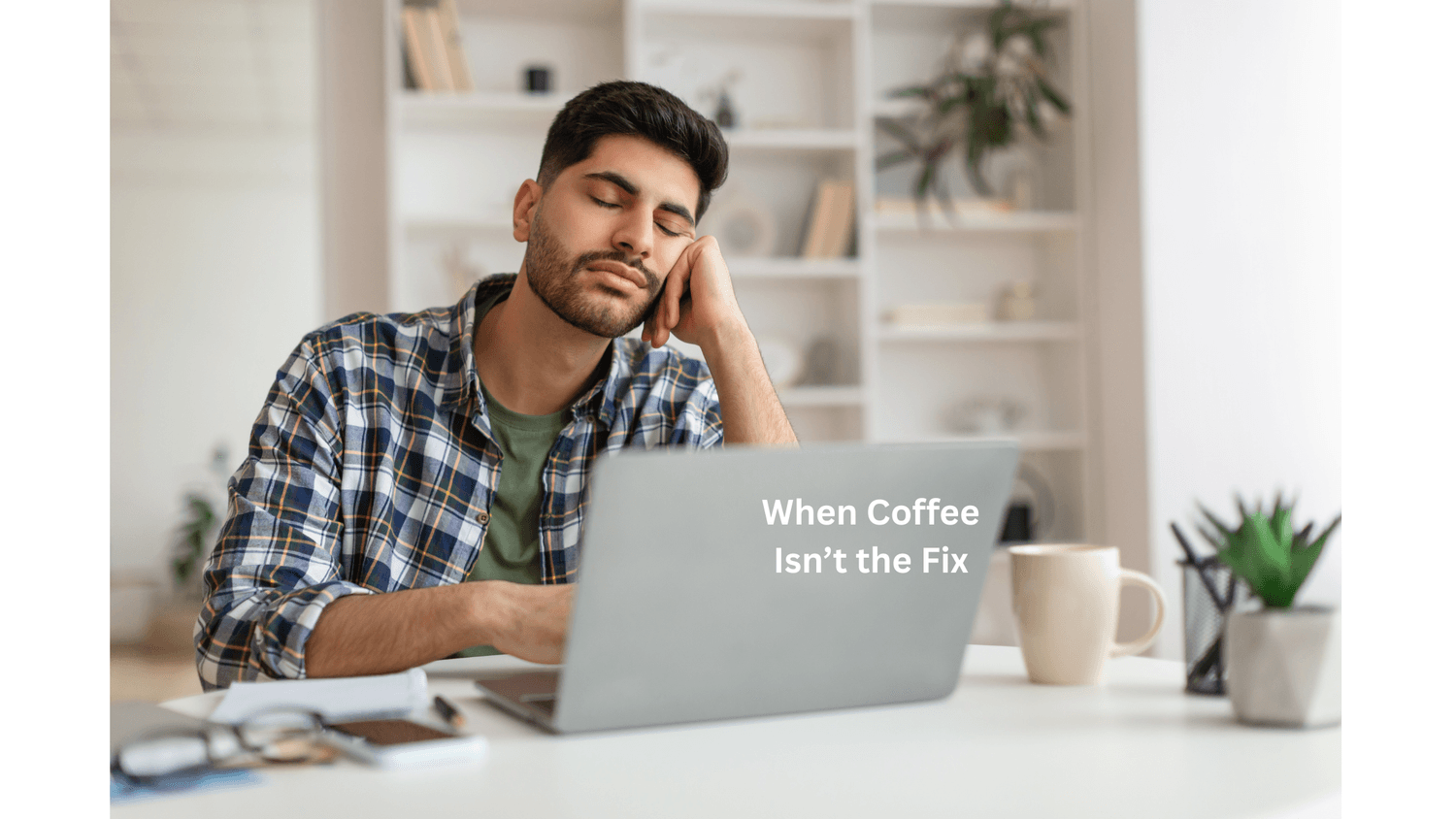
Have you ever had one of those days when you just feel sluggish? Maybe you've been sitting for hours, your energy feels flat, you think you need coffee or your body simply seems to be asking you to get up and move.
There are many reasons we can feel this way, and feeling sluggish certainly doesn't mean there is something wrong with your lymphatic system. But it does give us an opportunity to talk about one of the body's less familiar systems and why some very ordinary habits, including movement, hydration, breathing, and good nutrition, matter more than we may realize.
Most of us know quite a bit about our heart, digestive system, or even our brain. The lymphatic system rarely gets the same attention, even though it works quietly throughout the body every day. It helps maintain fluid balance, participates in immune defense, carries lymph through a network of vessels and lymph nodes, and even assists with the absorption of certain fats from the digestive system.
What makes it especially interesting is that there isn't one central pump doing all the work the way the heart pumps blood. Nearby muscles, the movement of arteries, breathing, and the lymphatic vessels themselves all participate in keeping lymph moving.
For me, that is one more example of why health is rarely about one isolated body part. The things we do every day affect systems we may never consciously think about.
Feeling Sluggish? Start With the Bigger Picture
When our energy drops, many of us look for a quick explanation. We may assume we didn't sleep enough, reach for another cup of coffee, decide we ate the wrong thing, or tell ourselves we need to exercise more.
Any of those things might be part of the picture, but I prefer curiosity before conclusions.
How much have you moved today? Have you had enough water? How did you sleep? What have you eaten? Has your stress level been unusually high? Have you spent most of the day sitting? Is this just an occasional low-energy afternoon, or have you been feeling different for several weeks?
Those questions don't diagnose anything. They help us begin noticing patterns, which is often one of the most valuable things we can do for our health.
The lymphatic system is particularly interesting in this conversation because movement is one of the ways we naturally support it. Understanding that gives us another reason to look beyond exercise simply as a tool for weight loss or calorie burning.
What Your Lymphatic System Does
Think of the lymphatic system as part transportation network, part fluid-management system, and part immune-defense system. Fluid naturally moves from the bloodstream into the spaces around our cells and tissues.
Some of that fluid enters tiny lymphatic vessels and becomes lymph. As lymph moves through the body, it collects excess fluid, cellular debris, and other substances from tissues. It passes through lymph nodes and ultimately returns to the bloodstream, helping maintain normal fluid balance.
The lymphatic system also includes structures such as the lymph nodes, spleen, thymus, tonsils, bone marrow, and lymphatic tissue in the digestive system. Together, these tissues are an important part of our immune system.
There is even a direct nutritional connection. Specialized lymphatic vessels in the small intestine help absorb certain dietary fats and fat-soluble substances before they eventually make their way into the bloodstream.
This is exactly what I mean when I talk about connecting the dots. Digestion, immunity, circulation, movement, and nutrition aren't working independently of one another. Your body is constantly coordinating between systems.
Movement Matters More Than You May Realize
One of the easiest ways to support normal lymphatic movement is simply to move your body.
Muscle contractions around the lymphatic vessels help move lymph forward. Walking, stretching, swimming, cycling, yoga, Tai Chi, and other forms of activity all create muscular movement that supports this process.
That doesn't mean you need an intense workout every time you feel sluggish. This is where I think our definition of movement can become much more useful.
If you've been working at your computer for an hour, getting up to refill your water glass gives your legs a chance to move. Walking around the block after lunch counts. So does gardening, taking the stairs, stretching while you're on the phone, or putting on music and moving around your kitchen.
Our culture has conditioned us to think exercise only matters when we can quantify it. How many calories did I burn? How many steps did I get? Was my heart rate high enough? Those can be useful measurements, but movement is doing much more inside your body than a fitness tracker can show you. Your lymphatic system is one example.
Breathing, Hydration, and the Everyday Basics
Breathing may seem too ordinary to deserve attention, but deep abdominal breathing is routinely incorporated into lymphatic drainage exercises. The change in pressure created as the diaphragm moves can help support fluid movement through the lymphatic pathways.
That doesn't mean you need another complicated wellness ritual. A few slow breaths when you notice yourself becoming tense or sedentary can be enough to create a useful pause. Breathe slowly through your nose, allow your abdomen to expand, and then exhale comfortably.
Hydration matters as well. Lymph is a watery fluid, and staying adequately hydrated is one of the everyday practices Cleveland Clinic recommends for supporting normal lymphatic function.
I like these habits because they are realistic. We can spend a lot of time searching for sophisticated health solutions while overlooking the things our bodies need repeatedly: water, movement, breathing, sleep, and nourishing food.
What Nutrition Has to Do With Lymphatic Health
When people start learning about the lymphatic system, they often encounter lists of foods that supposedly "cleanse" or "detox" lymph. I don't think that's the most helpful way to approach nutrition.
There isn't one food that cleans your lymphatic system. Instead, nutrition gives your body the nutrients it needs to support the tissues, immune cells, metabolic processes, and other systems that work alongside it.
This is where variety becomes much more important than searching for one superfood. Protein provides amino acids the body uses throughout its tissues and immune system. Colorful vegetables and fruits provide vitamins, minerals, antioxidants, and plant compounds. Nuts, seeds, avocado, olives, and fish can provide supportive fats, while beans, lentils, vegetables, fruit, seeds, and whole grains provide fiber that supports digestive health.
We don't have to resort to a complicated nutrient checklist at every meal. A more practical question is whether our overall eating pattern provides variety, color, quality protein, supportive fats, fiber, and enough nourishment for our individual needs.
Food is information, but the body needs many different types of information to do its work.
Your Lymphatic and Immune Systems Are Connected
You may already have encountered the lymphatic system without realizing it. Think about the last time you were sick and felt those tender "glands" in your neck. What you were likely feeling were enlarged lymph nodes.
Lymph nodes filter substances traveling through lymphatic fluid and contain lymphocytes, a type of white blood cell involved in immune defense. There are hundreds of lymph nodes throughout the body, including clusters in the neck, underarms, chest, abdomen, and groin.
This connection is another reason I don't think immune health can be reduced to taking one supplement when cold season arrives. Nutrition, sleep, stress, movement, gut health, hydration, environment, and medical history can all become part of a larger conversation.
When we understand health this way, we stop looking for the one thing that will "fix" us and begin learning how the pieces may be working together.
Do You Need a Lymphatic Detox?
The word "detox" is everywhere in the wellness world, and it can make us feel as though our bodies aren't capable of doing their jobs unless we periodically intervene with a special tea, cleanse, supplement, or restrictive eating plan.
Your body already has systems designed to process, transport, filter, and eliminate substances. The lymphatic system participates by collecting fluid and material from tissues, passing lymph through lymph nodes, and returning filtered fluid to circulation.
That doesn't mean our choices don't matter. We can support our bodies by eating nourishing foods, staying hydrated, moving regularly, sleeping adequately, limiting excessive alcohol, avoiding smoking, and being thoughtful about unnecessary environmental exposures.
I simply prefer the word support to the word detox. Support recognizes that your body is already working on your behalf. Our job is to give it the inputs and habits that make that work easier.
When Swelling Needs Medical Attention
There is an important distinction between supporting normal lymphatic health and trying to manage a medical lymphatic condition.
Lymphedema occurs when lymph fluid builds up in tissues, causing swelling. It can occur when lymph vessels or lymph nodes have been damaged or disrupted, including after certain cancer treatments, although there are other causes as well.
Persistent or unexplained swelling, heaviness, tightness, or swollen lymph nodes should not automatically be attributed to sitting too much or handled with a home "detox." Those are situations to discuss with a healthcare professional. Seeking medical guidance for unexplained swelling that lasts more than a few weeks or interferes with daily activity.
Knowing when to ask for medical help isn't separate from taking a holistic approach to health. It is part of it.
What Clients Say
“Since our meeting I am paying more attention to my energy and have learned to plan my work accordingly. It has made me more productive and focused.”
— EricaI am not sharing Erica's experience to suggest that her energy had anything to do specifically with her lymphatic system. What I love about her comment is that she started paying attention.
Rather than simply pushing through whenever her energy changed, she began noticing her natural patterns and using that information. That awareness helped her make choices about how she organized her day.
This is something all of us can practice. When you feel sluggish, instead of immediately judging yourself or trying to override the feeling, get curious. What has been happening today? What does your body seem to need? Sometimes the answer is rest. Sometimes it is nourishment. Sometimes it is water, and sometimes you may simply have been sitting still for much longer than you realized.
Healthy Habits High Returns® Insight
Now imagine this through the lens of a typical workday. Many people drive to work, sit at a desk, move into a meeting where they sit again, eat lunch at the desk, attend another meeting, and then sit during the drive home.
The body doesn't know that we are being productive. It simply knows that we haven't moved very much. This is one reason employee wellness doesn't always require another elaborate program.
Organizations can support healthier daily behavior by making movement easier to incorporate into the workday. Walking meetings, permission to take a brief movement break, or simply normalizing getting out of the chair periodically can help support the whole person behind the performance.
Healthy Habits High Returns® helps organizations improve employee wellbeing outcomes through behavior-based wellness counseling, practical nutrition guidance, and sustainable lifestyle strategies while strengthening wellness program ROI.
Wellness Isn’t a Perk, It’s a Performance Strategy®.
How Sho Richek Functional Nutrition and Lifestyle Counseling Can Help
My role is helping clients get to root causes, understand what's getting in the way and supporting them in changing it.
Feeling sluggish is actually a good example of why that whole-person approach matters. Low energy can have many possible influences, and assuming we already know the reason may send us in the wrong direction. Instead, we may look at nutrition, hydration, sleep, movement, stress, digestion, medications, supplements, environment, symptoms, and what else has been changing in your life.
After reviewing that information, I organize the most important areas into a personalized, one-page Functional Nutrition Blueprint. The Blueprint can include nutrition and meal-pattern observations, lifestyle considerations, questions for medical providers, supportive habits, areas worth tracking more closely, and a few prioritized changes. Then we agree on where to begin rather than trying to change everything at once.
As a Healthcare Advocate, I can also help you organize what you are noticing, prepare useful questions for medical appointments, and connect information you may be receiving from several different healthcare professionals. I work alongside your existing medical team rather than replacing conventional care.
I provide this kind of functional nutrition and lifestyle support to individuals and, through Healthy Habits High Returns®, to organizations that want to provide employees with an additional human-centered layer of wellness support.
In Summary
Your lymphatic system may never be something you think about when you wake up in the morning, yet it is quietly helping maintain fluid balance, support immune function, and transport substances throughout your body.
You don't need to become an expert in lymphatic anatomy, and feeling sluggish doesn't mean your lymphatic system is the reason. What understanding this system can give you is another reason to respect the simple things your body asks from you every day.
Move regularly. Stay hydrated. Eat a varied, nourishing diet. Take a few deep breaths. Notice how much time you've spent sitting, and pay attention to how your body feels rather than waiting until it has to shout for your attention.
Sometimes the smallest shifts create the biggest momentum.
Try a 2-Minute Body Check-In
Once or twice today, stop and notice what has been happening rather than automatically pushing through how you feel.
How long have I been sitting?
Have I had enough water?
What is my energy like right now?
Could I walk or stretch for two minutes?
Can I take three slow abdominal breaths?
Is this an occasional feeling, or am I noticing a pattern?
You don't need to do everything on the list. Choose the question that helps you become a little more aware of what your body may need.
What's Next?
Tired, Craving Sugar or Feeling “Off”? Your Hormones May Be Part of the Picture
Next week we'll look at the endocrine system and explore the connections between blood sugar, stress, sleep, thyroid function, adrenal hormones, hunger signals, and nutrition.
Ready to Take the Next Step?
If this resonates with you, I’d love to support you.
👉 Schedule a complimentary consultation here.
Let’s explore what sustainable support could look like for you.
Ready to explore how Healthy Habits High Returns® can support your team? Schedule an exploratory call.
Wellness isn’t a perk—it’s a performance strategy®
Twice a Month Newsletter
Would you like to stay in touch and receive supportive information as well as a new recipe?
Visit my website and sign up in the middle of the page. You'll also receive an audio of my 3-Minute Trigger Tamer.
Looking for More Insights?

Welcome!
Thank you for visiting! I'm Shoshanna Richek, a certified Functional Nutritionist, and I'd love to be your guide on the journey to food freedom.
Ready to learn about emotional eating and see how I can help you? Just click here!


Get Expert Advice on Holistic Healing
Sho Richek Functional Nutrition and Lifestyle Counselor copyright 2023-26 All Rights Reserved.